Little Lectures on YouTube, 2020-present
See our past Little Lectures recorded on video
This year’s program is made possible in part by generous funding from the Herscher Foundation.
In-person programs are presented on Sunday afternoons at 2:00 p.m. at our headquarters located at 1310 Kanawha Boulevard, East, Charleston, in the parlor of MacFarland-Hubbard House. The series is one of the many ways the Humanities Council shares our historic property with the community. Seating is limited (thus “Little” Lectures) and reservations are suggested. Admission is $10 per person and includes refreshments after the lecture. When the weather is nice refreshments are enjoyed outdoors under our pergola.
The Little Lectures are presented once each month. Previous Little Lecturers include historian John Alexander Williams, biographer Jean Edward Smith, Monticello horticulturalist Peter Hatch, novelist Denise Giardina, playwright Billy Edd Wheeler, and West Virginia Poet Laureate Marc Harshman.
Call 304.346.8500 or email warmack@wvhumanities.org for further information.
All public spaces at the MacFarland-Hubbard House are accessible. When making your reservations, please advise us of any accessibility accommodations that you may need. Contact 304.346.8500 in advance.
From 2020 onward, videos of all West Virginia Humanities Council Little Lectures are available on YouTube and Facebook.
(Download the printer friendly PDF schedule here)
The story of the British march to Lexington and Concord to disarm the militia is well known, and oft-cited as a catalyst for triggering the American War of Independence. Present-day mythology perpetuates an image of inherently 'pro-gun' Patriots and widespread civilian possession of arms, but the facts are far more complicated. Between 1776 and 1783, the Continental Army and Patriot authorities engaged in widespread disarmament of the 'disaffected', following established prewar precedents in the colonies. This presentation will discuss the Patriot policy of civilian disarmament during the Revolution, and shed new light on the history of civilian possession of arms in the United States.
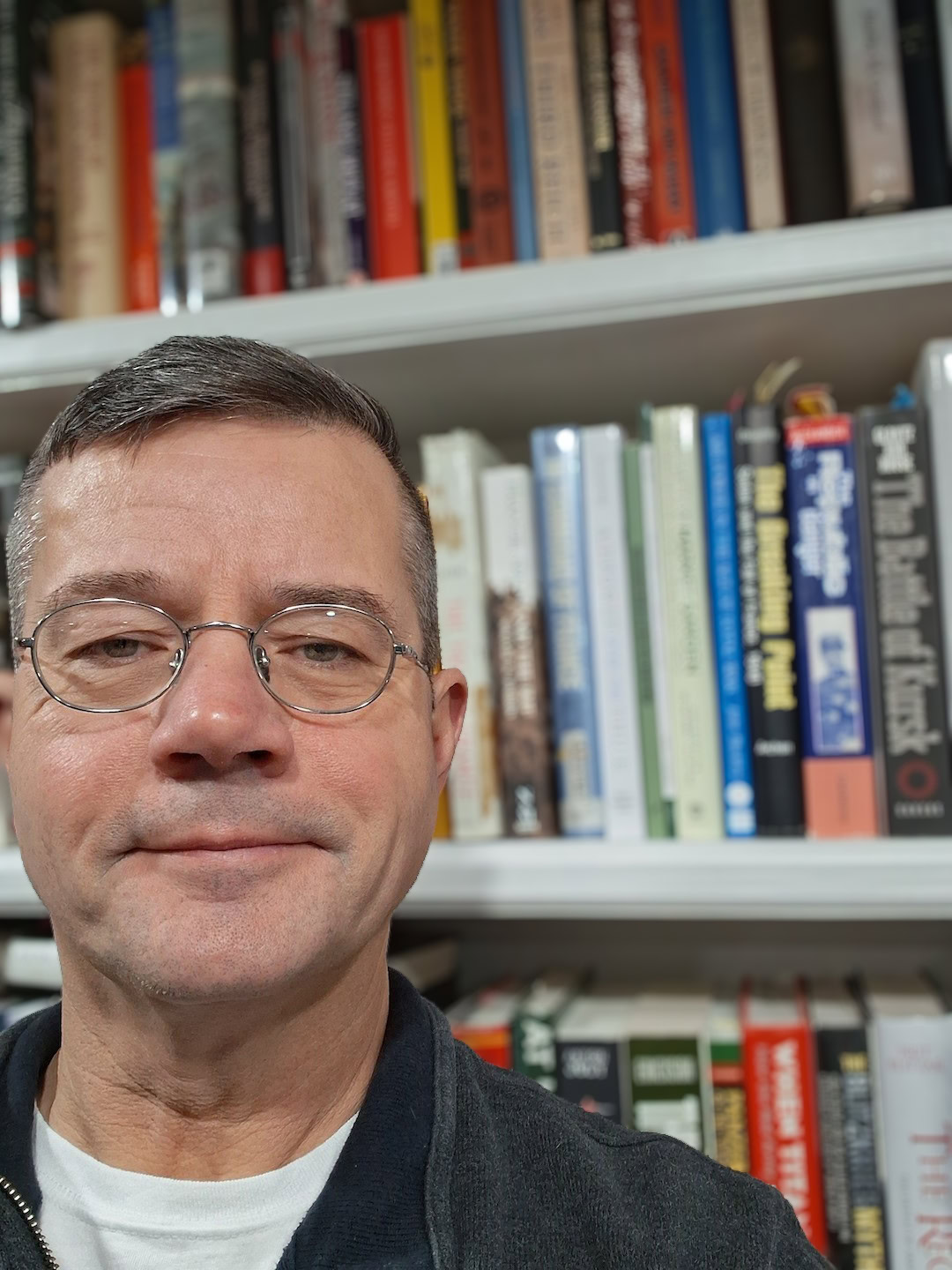
South Charleston native Jamie Slaughter is a published historian, author, and educator about military conflicts from the 1600s to World War II, whose works also cover the history of military small arms development from 1750 to present. He holds degrees from West Virginia University, Marshall University, Wheeling University, and Norwich University, and earned his PhD in history from the University of Wolverhampton.
U.S. Supreme Court Justice Hugo Black (1886–1971) wrote that the “[denial of trial by jury] led first to the colonization of this country, later to the war that won its independence, and, finally, to the Bill of Rights.” Trial by jury was a central issue of the American Revolution, and the loss of jury trials is cited in nearly every document leading up to the Revolution, including the Declaration of Independence. Despite its foundational importance, this history is largely unknown today. This program explores the origins of the right to trial by jury, the trial that helped spark the American Revolution, and the critical role jury trials played in the founding of the United States and creation of the Bill of Rights.
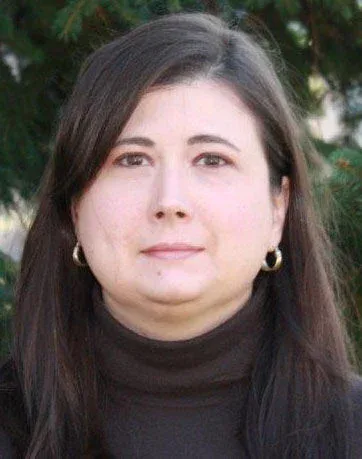
Beth A. White is a published historian and lecturer focusing on U. S. history from the colonial period through the Civil War era and U. S. political history. For more than 20 years she has written on the history of trial by jury, including its role in the American Revolution, and has lectured on the subject to state and national audiences. She has been executive director of the West Virginia Association for Justice since 2005. Beth is a graduate of West Virginia State University and earned an M. S. from Syracuse University's S. I. Newhouse School of Public Communication and completed additional coursework in political communication from the university's Maxwell School.
While western Virginia was the edge of the frontier during the American Revolution, its settlers were also woven into the fabric of the larger military story of the nascent United States. This lecture will examine the history of the 13th Virginia Regiment, the only Continental army unit raised entirely west of the Appalachians. Its soldiers served all over, from the hills of western Virginia to Valley Forge to the pine barrens of the Carolinas. The story of the soldiers that made up the regiment is a unique window into western Virginians’ role in establishing independence.
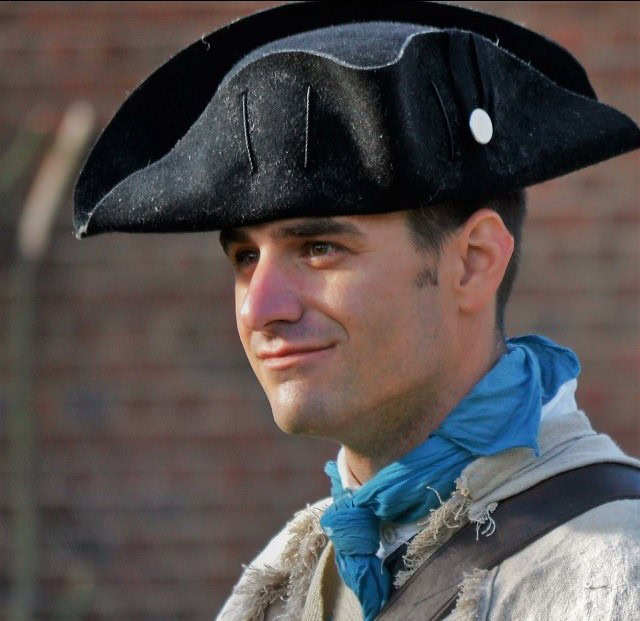
David P. Ervin is an infantry veteran of the Iraq War who went on to study at West Virginia University, earning a BA in early American history. He has written a war memoir and numerous other works in creative nonfiction, historical scholarship, and fiction and has edited for various publications.
From the Boston Tea Party to the Boston Massacre, from Paul Revere’s ride to Bunker Hill, the city of Boston, Massachusetts, is home to many of the American Revolution’s most storied events and places. What do these monuments, memorials, and sites mean to an Appalachian-born American living and working among them every day? How does Boston’s revolutionary spirit speak to West Virginia heritage and values?
In this unique spin on the Little Lectures format, join renowned West Virginia author Neema Avashia for her reflections as a native Appalachian living in Boston during the nation’s 250th anniversary. Avashia’s memoir, Another Appalachia (WVU Press), was selected as New York Public Library’s Best Book of 2022, and her writings have appeared in The Guardian, EdWeek, The Bitter Southerner, and more. She has been a Civics teacher for Boston Public Schools for nearly two decades.
You can watch all past lectures from 2020 onward on YouTube. Here are some previous selections!
See our past Little Lectures recorded on video
Listen to recordings of some previous lectures and speakers
